Back to work
Yahoo
Growth
Onboarding
Retention
Enter the password to view this case study.
Yahoo Play was a short-form video app with a novel reward mechanic — users earned points by engaging with content and spent them in a built-in shop. But most people who downloaded it never signed up. We redesigned the onboarding from scratch: instead of asking users to sign up upfront, we let them earn a reward first — then sign up to claim it. The approach won a company hackathon and drove a 16% increase in sign-up attempts.
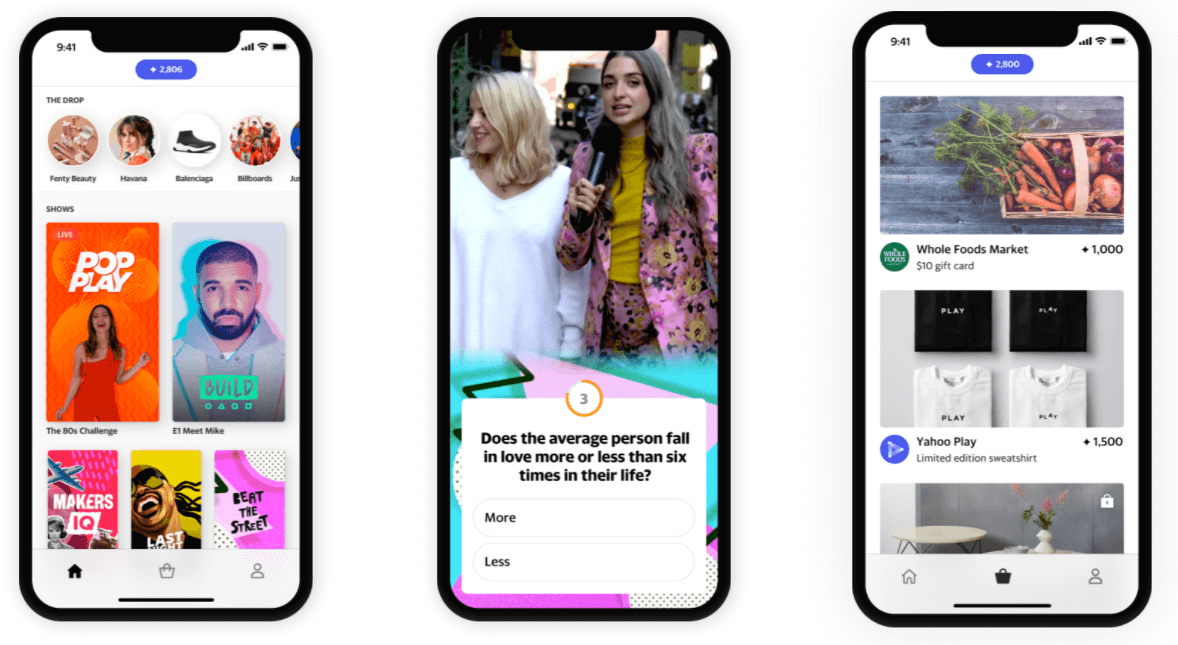
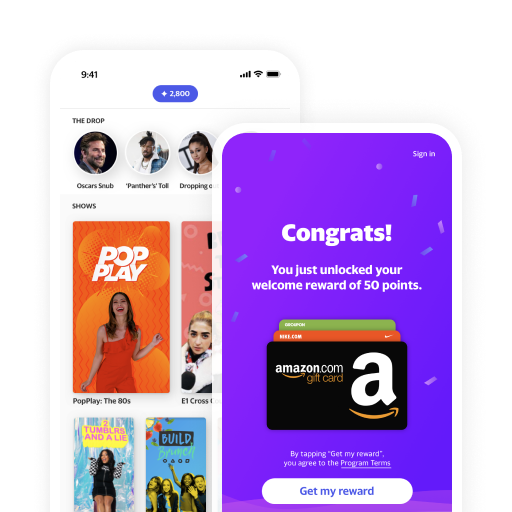
Yahoo Play app screens
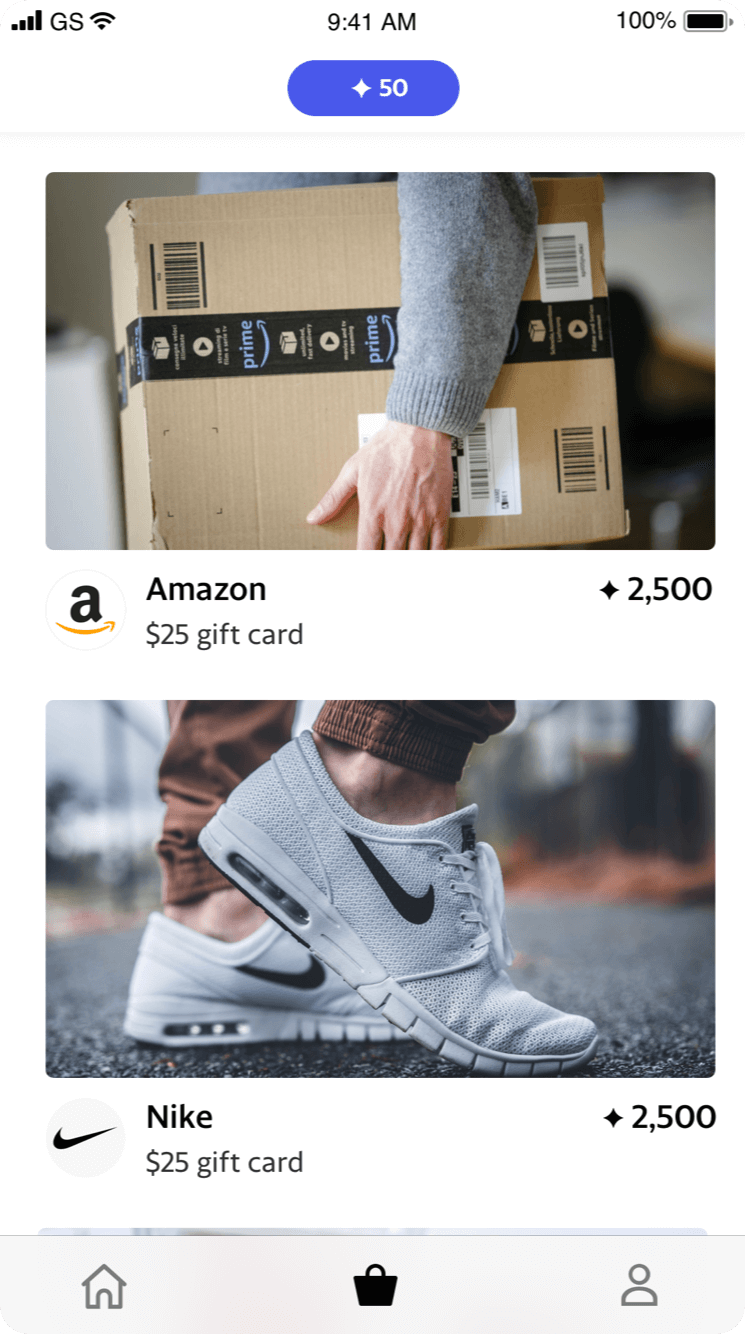
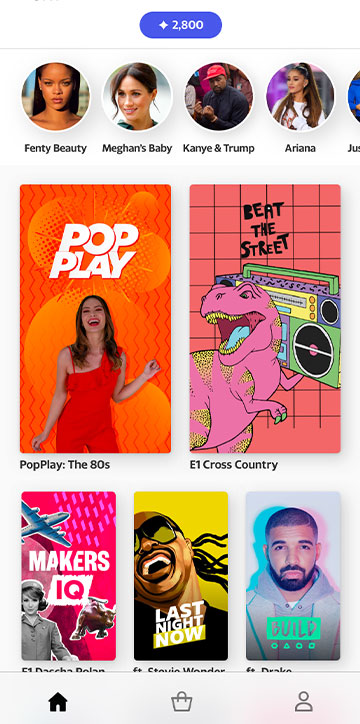
With the rise of short-form video, Yahoo launched Yahoo Play — a premium entertainment app offering bite-size content with interactivity and a built-in commerce layer. The core mechanic was distinctive: users earned points by watching videos and answering quizzes, then redeemed those points in a real rewards shop.
The audience data was promising. Over 60% of users were under 35, and 27% were Gen Z — a remarkable shift for Yahoo, whose existing user base skewed significantly older. Yahoo Play represented a genuine opportunity to bring younger users into the Yahoo ecosystem.
But there was a critical problem: people were downloading the app and leaving before signing up. The opportunity was real but the onboarding was broken.
Users were taking the biggest step — downloading the app — but abandoning it before completing sign-up. Retention was also poor among those who did. The company organized an internal hackathon with 6 designer-engineer teams to find solutions.
How might we increase user sign-ups and give them a reason to come back to the app?
Our first instinct was to tackle retention. But we reframed: fix activation first. Even with low retention, more sign-ups meant more total users. We needed to get people through the door before worrying about keeping them there.


The key insight: users had already taken the biggest step by downloading the app. Asking them to sign up before they’d experienced anything was friction with no reward. We flipped the model.
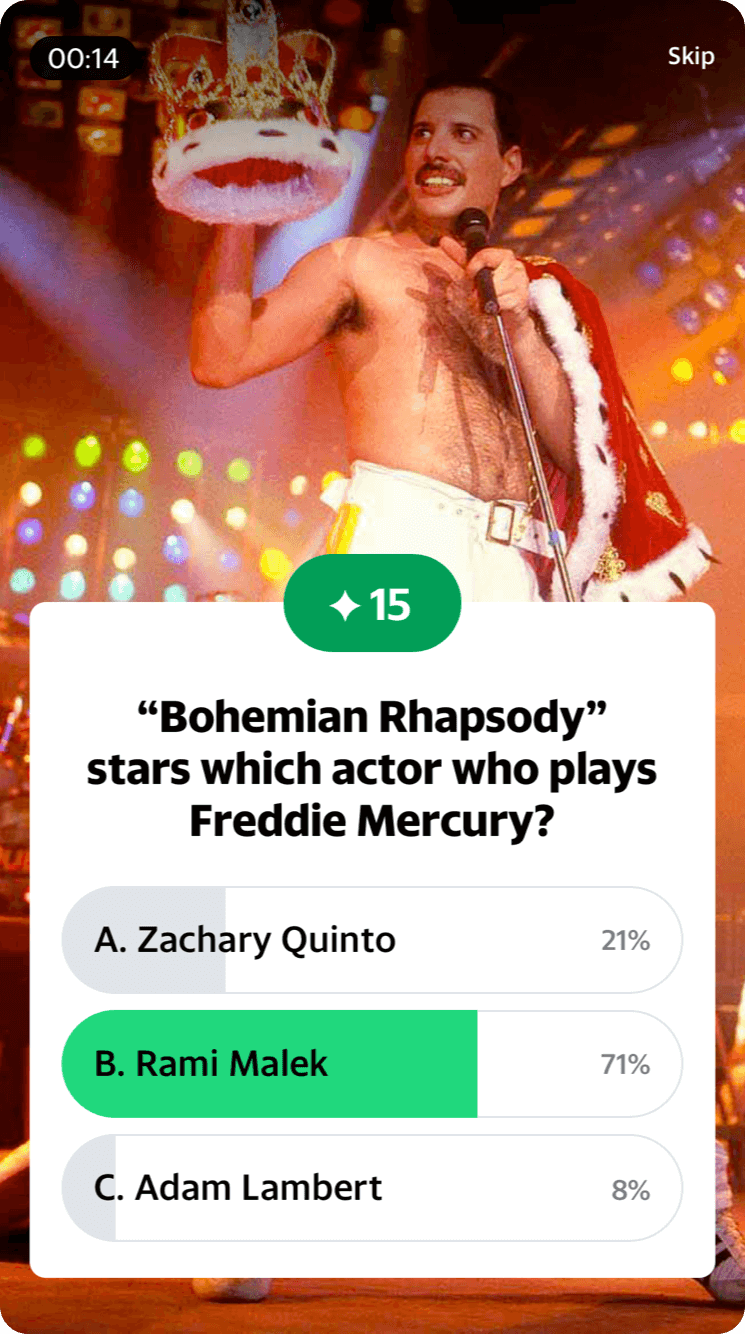
Instead of a tutorial or sign-up gate, we brought the app’s core value prop — earn points, get rewards — to the very first screen. Users could play along immediately: watch a short clip, answer a quiz, and earn 50 points. Then we asked them to sign up — to claim the reward they’d already earned.
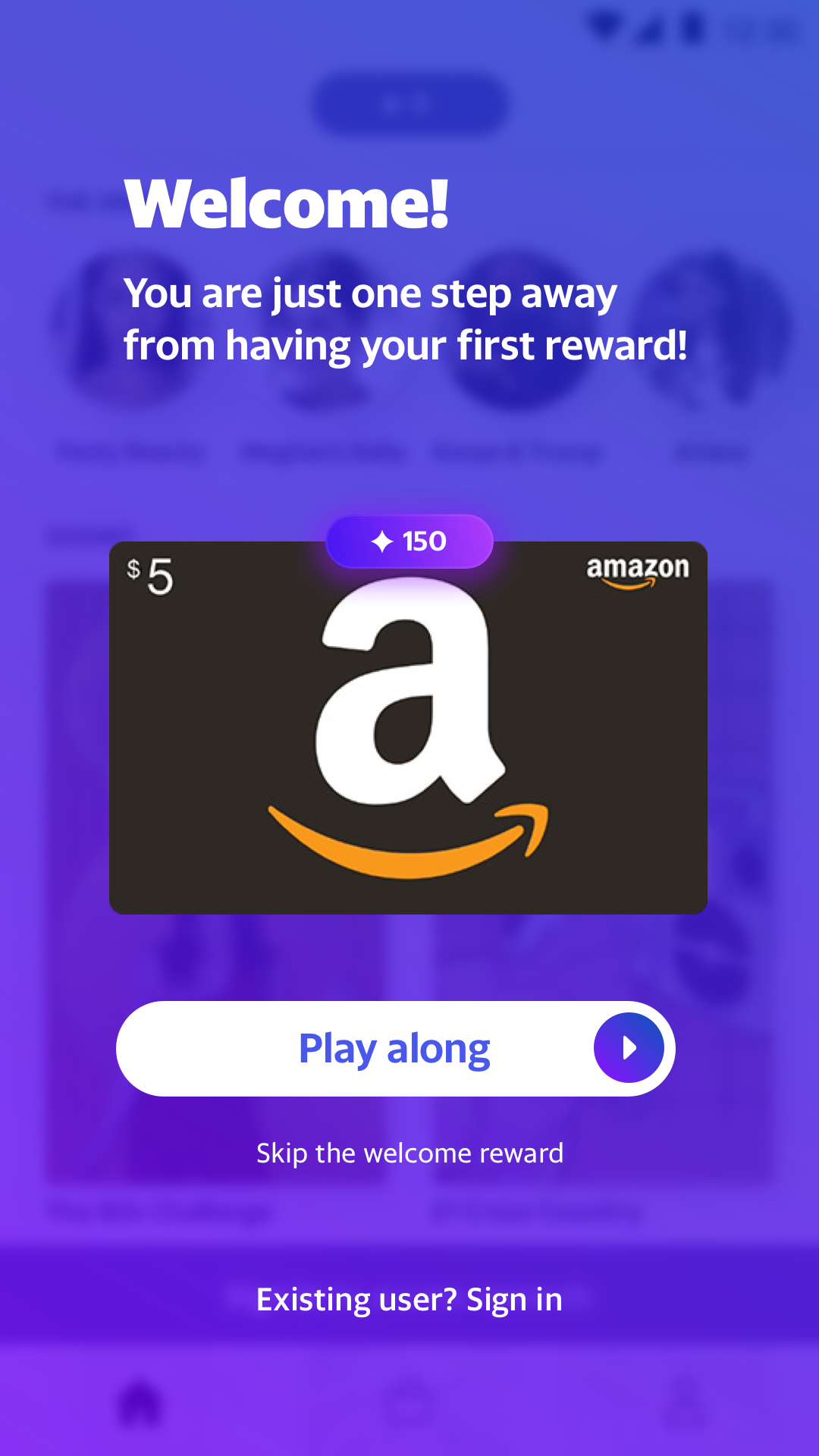
Play to earn — first screen
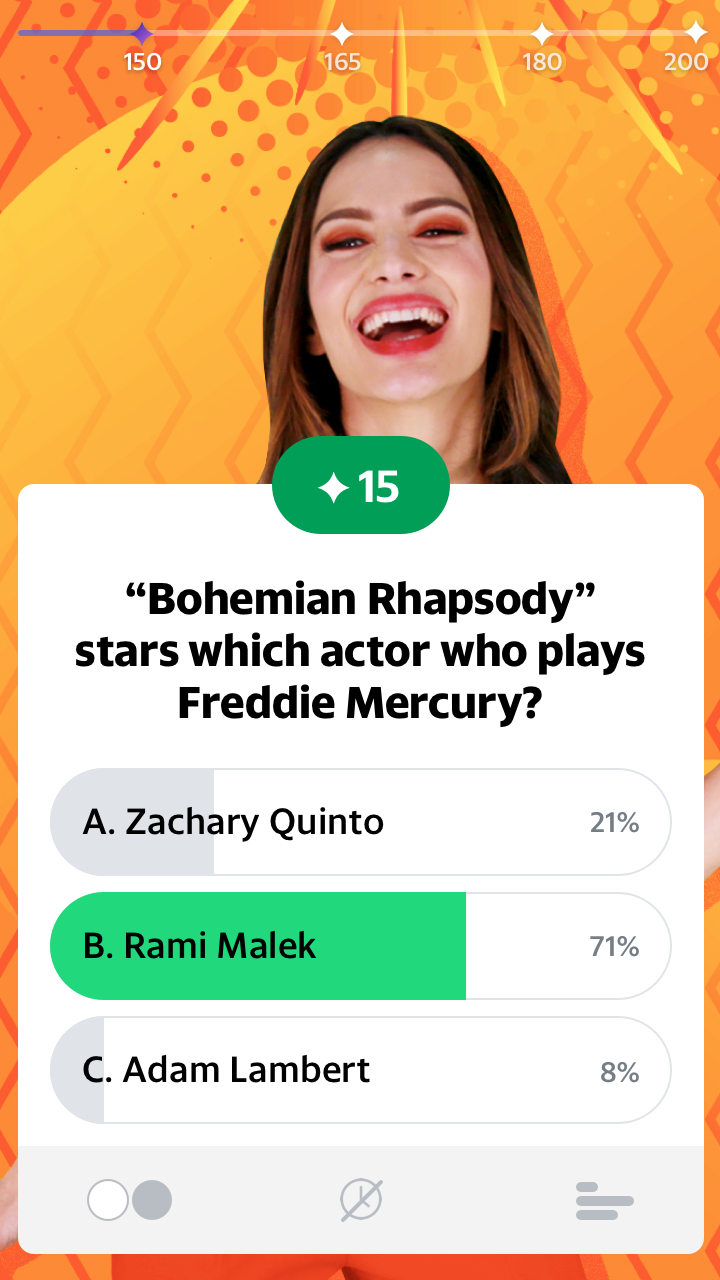
Interactive quiz
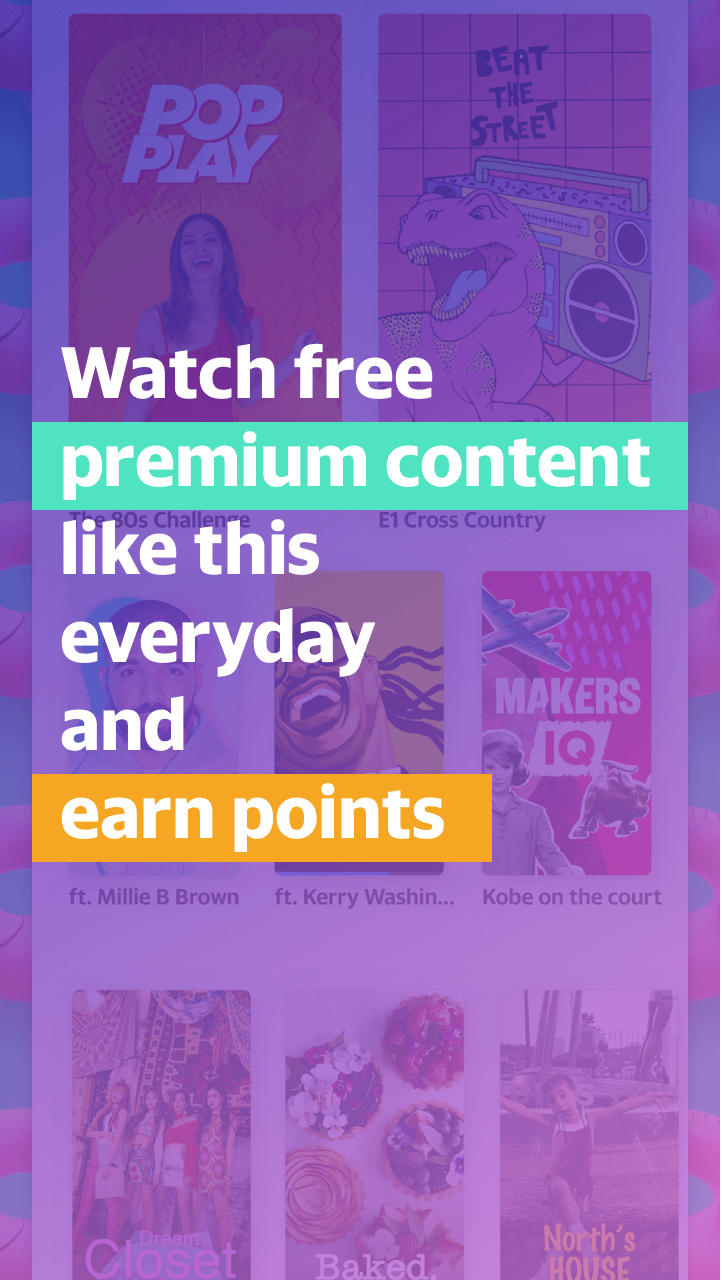
Rewards shop
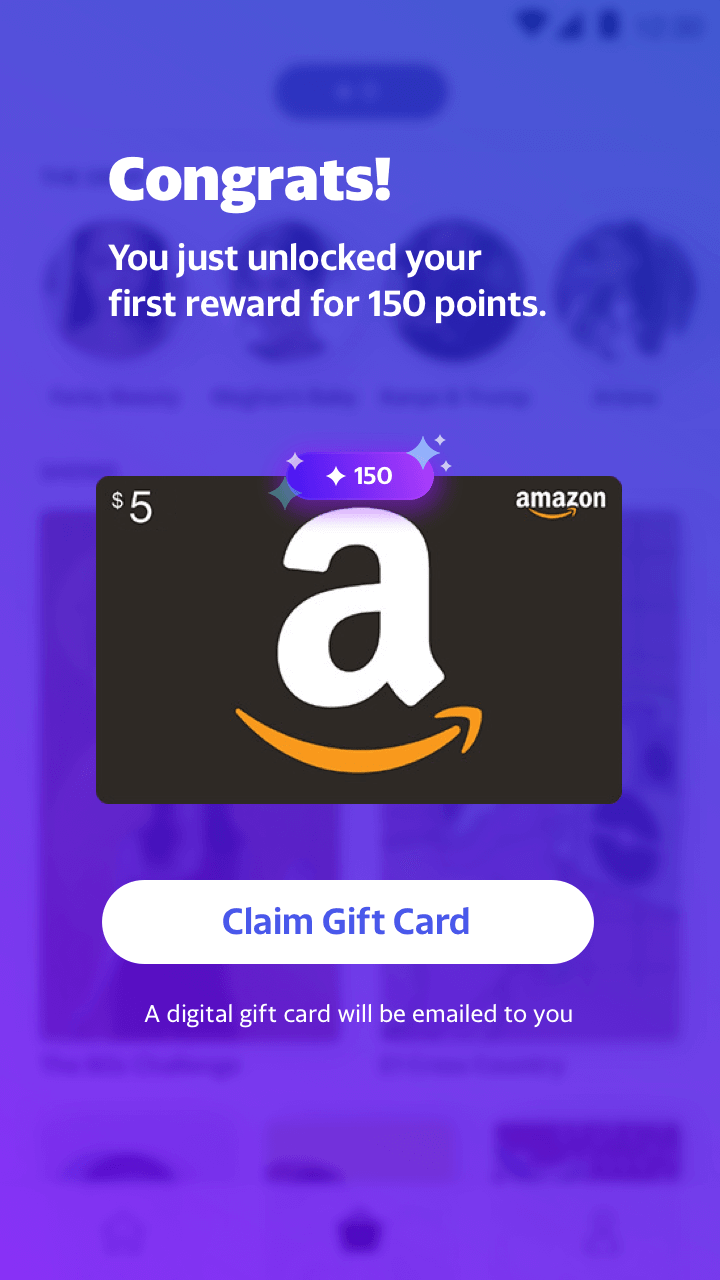
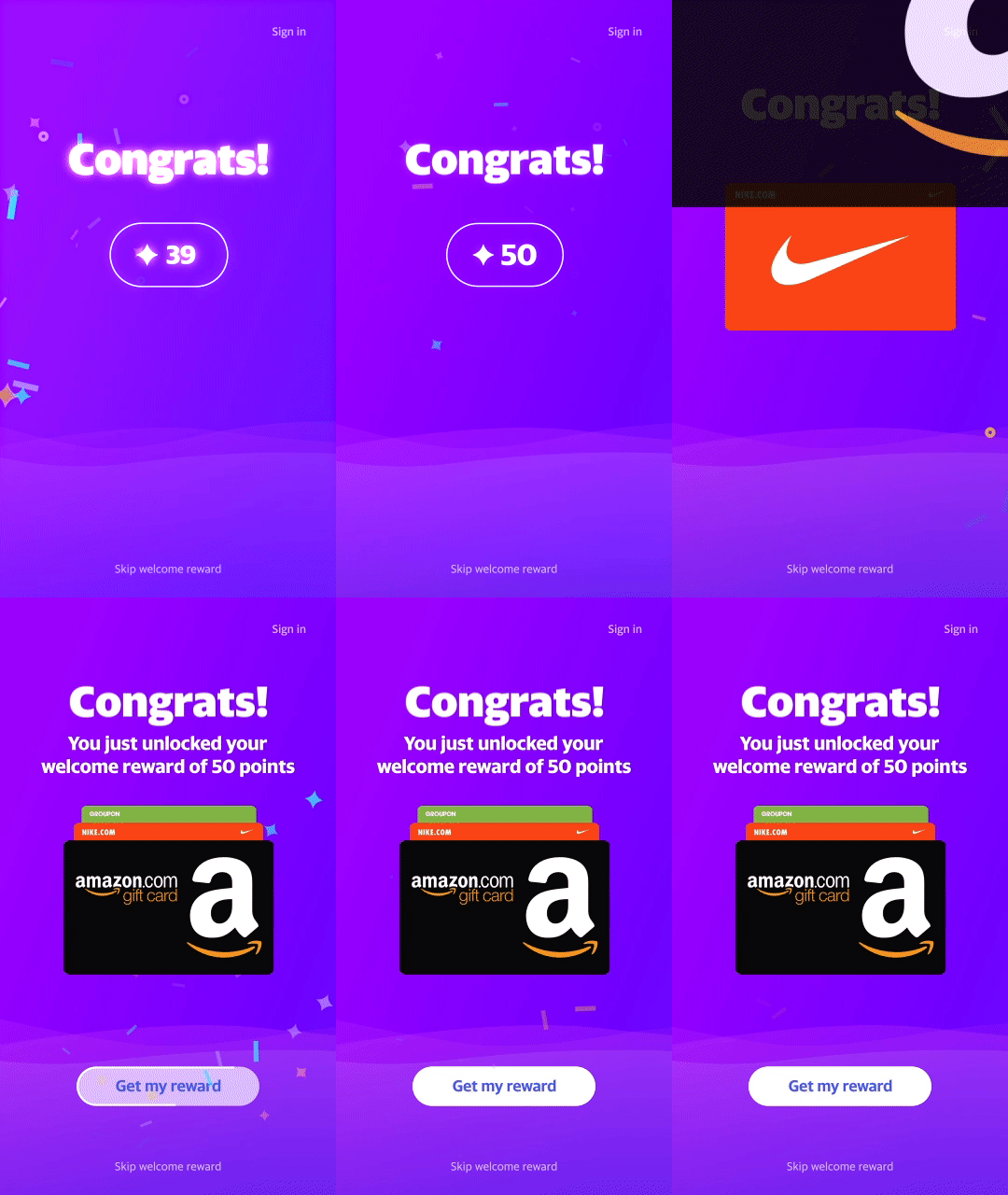
Claim your reward

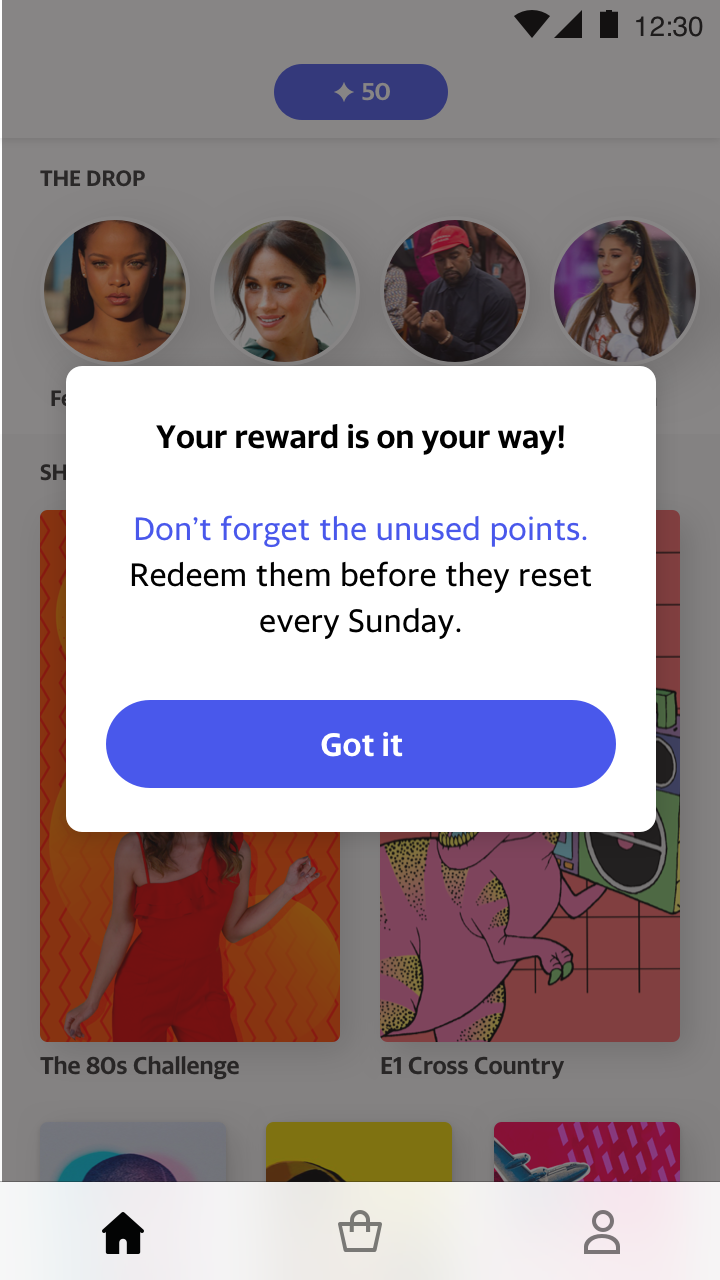
Sign up to claim
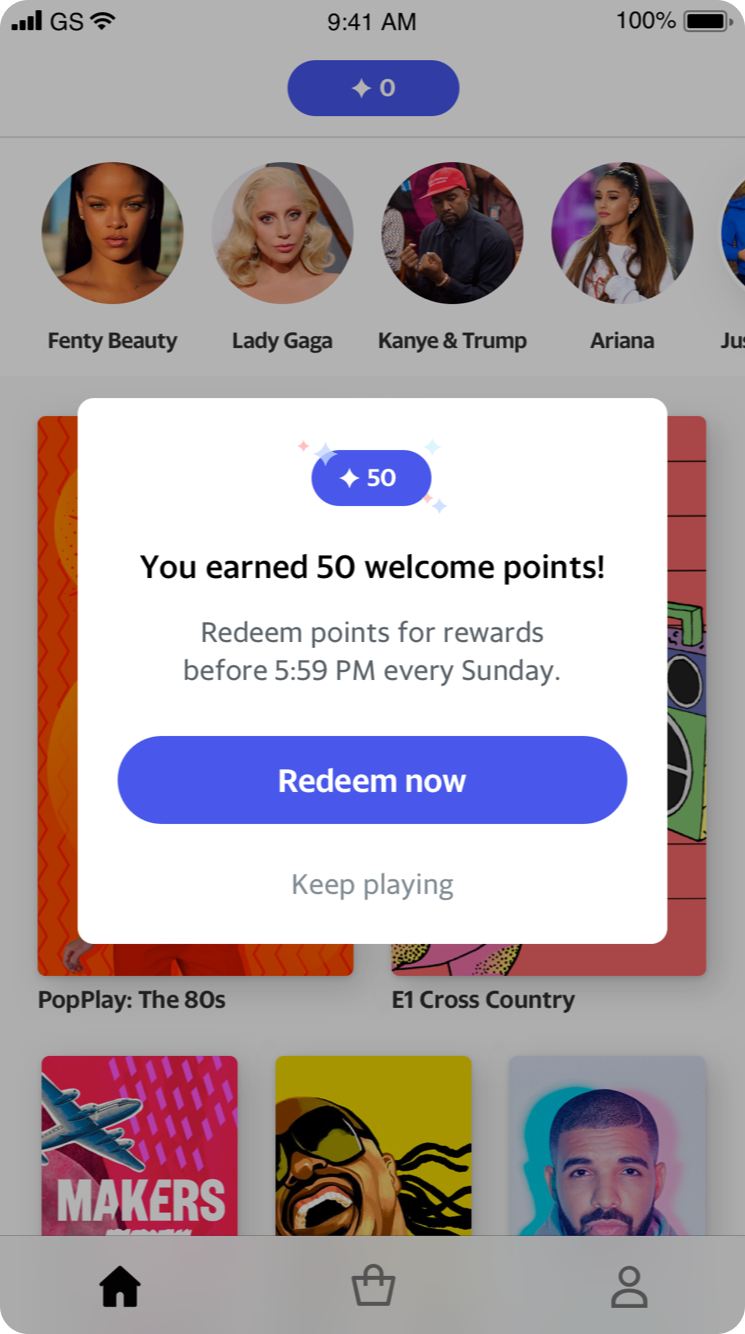
Content home screen
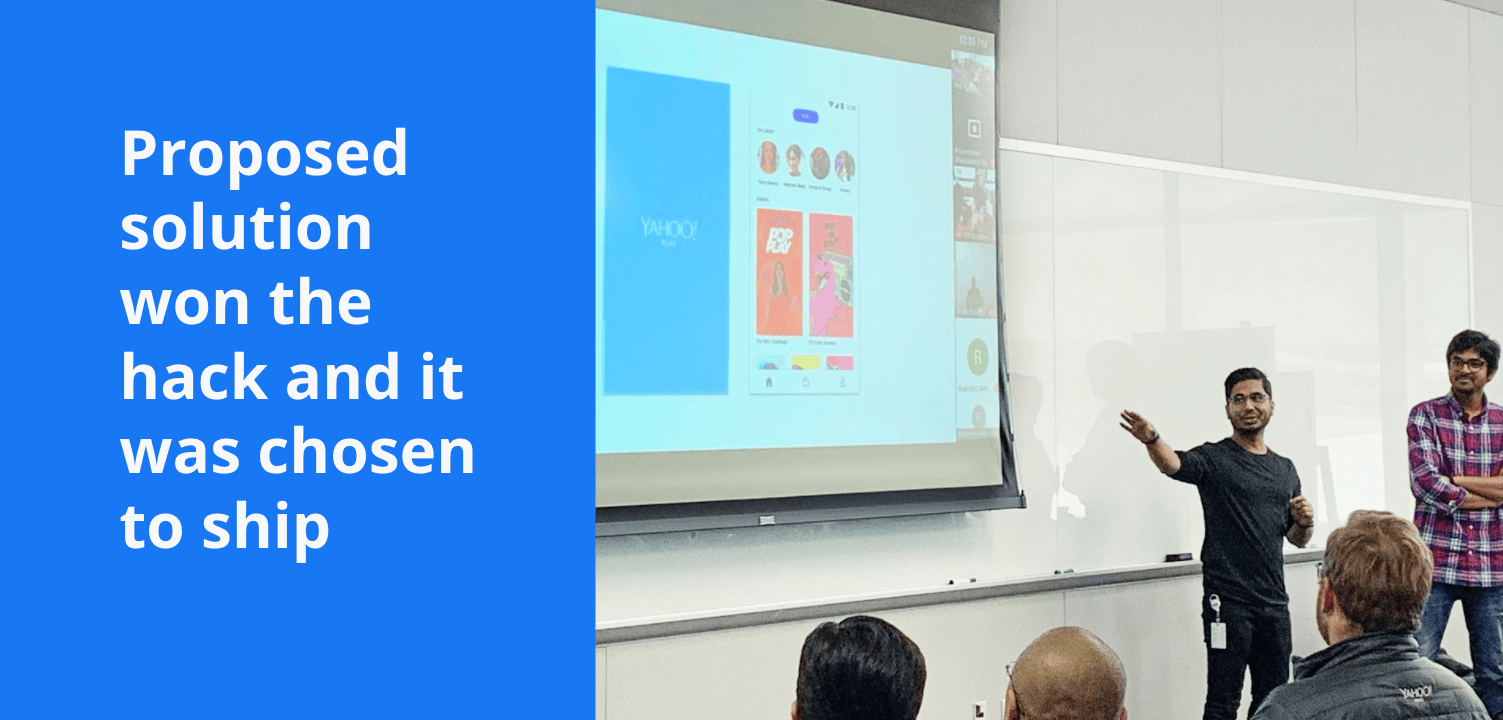
Presenting the solution to the hackathon audience and judges
After winning the hackathon, I refined the flow with a content designer and animator. Motion became central to the experience — bringing a playful, energetic feeling that matched the app’s personality and guided user actions. The goal was to give every new user the quickest possible tour of all major features, without a literal tutorial.
The redesigned onboarding moved the needle on sign-up attempts, but completion didn’t follow at the same rate. The data told a clear story about where the real bottleneck was.
More users were motivated to begin the sign-up process after experiencing the earn-first onboarding flow.
The bottleneck wasn’t motivation — it was Yahoo’s own sign-up flow, already known to be too long and frustrating across all Yahoo properties.
The data was clear: our onboarding solved the motivation problem. Yahoo’s sign-up flow was the remaining barrier — a separate team was already working on fixing it across all Yahoo properties.
Beyond the onboarding, I designed the Invite Friends feature — covering both the inviter and invitee experiences — and created promotional marketing materials for the app.
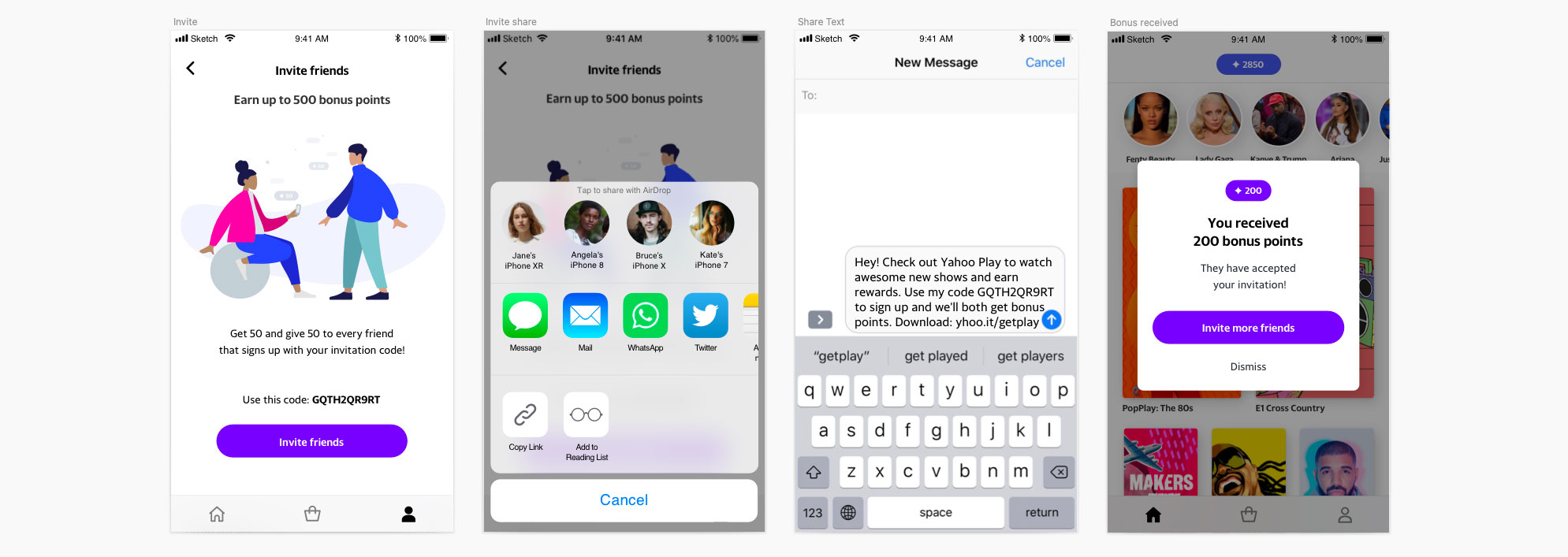
Invite Friends — inviter flow
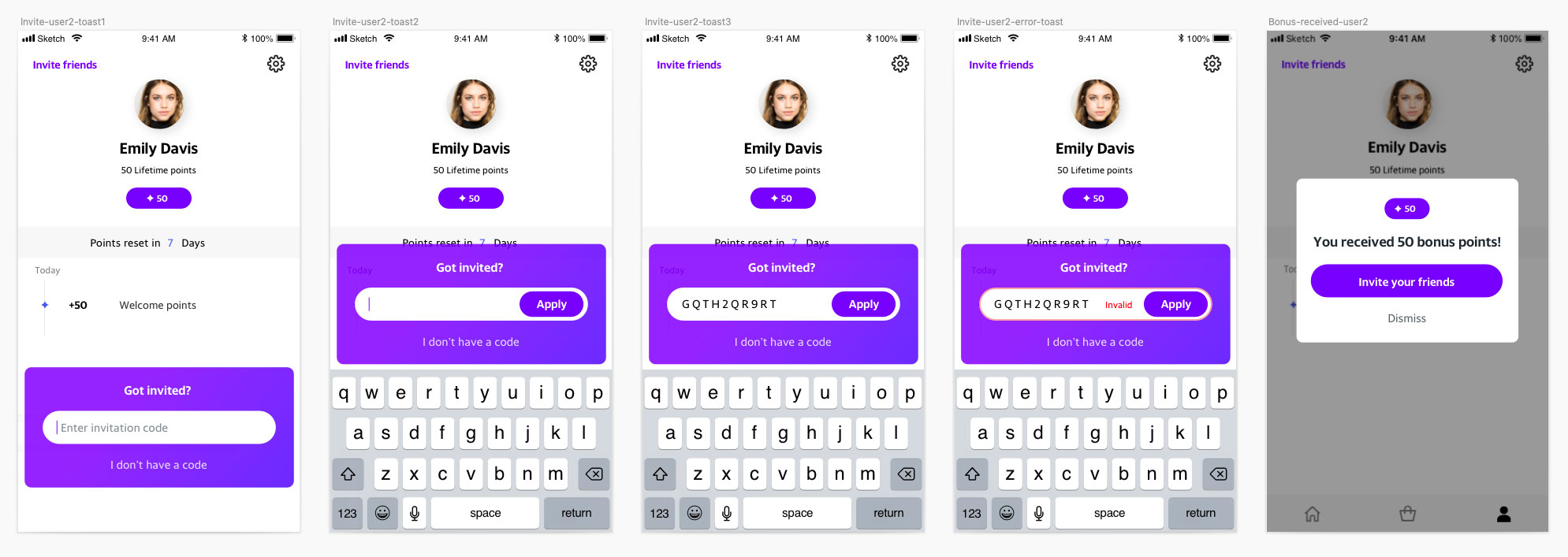
Invite Friends — invitee flow
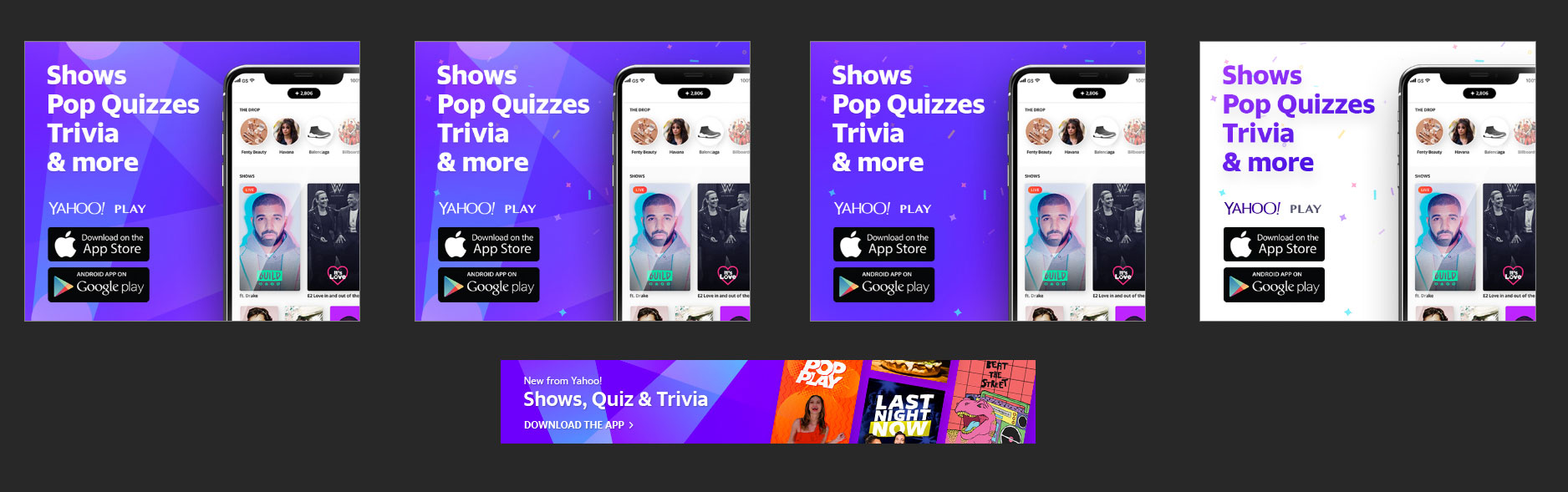
Promotional marketing materials
Fill in the form and I’ll get back to you as soon as possible.
Thanks for reaching out. I’ll get back to you soon.